



Direct Environmental Impact
UOBI strives to preserve the earth because it recognises that it is a shared place for people to live and that it has given us many natural resources that we use to improve our standards of life. Within our capacity and reach, we are committed to implement policies and promote an environmentally-friendly culture to minimise our direct environmental impact.
Consumption of resources such as electricity, water, fuel, paper, plastic and other supplies is our primary direct environmental impact. On the other hand, the environment is also impacted by waste produced from our operational activities. Therefore, we are committed to implement policies on energy efficiency, minimising usage of plastic and paper and implementing waste management to reduce the amount of waste sent to the landfill.
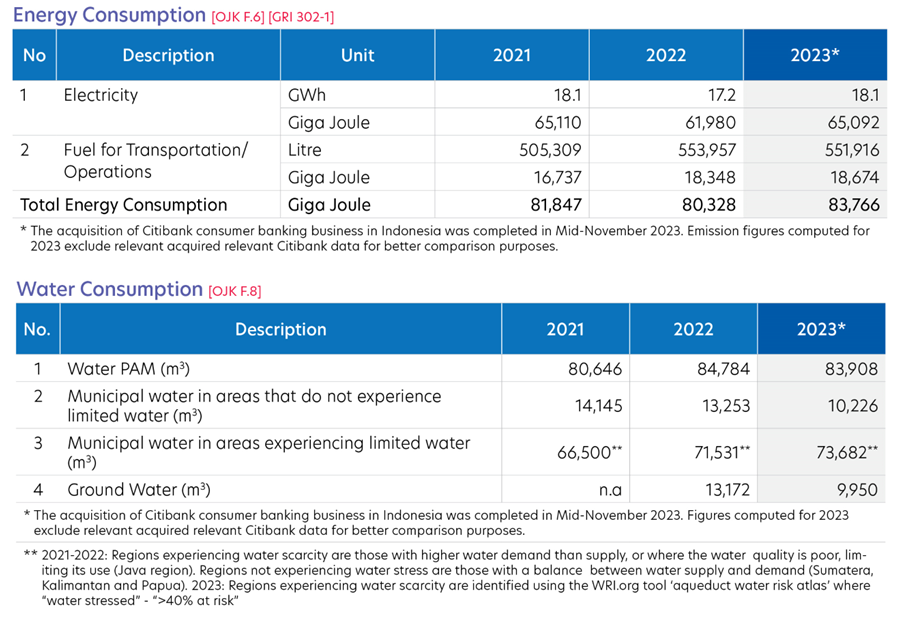
Energy and Water Use

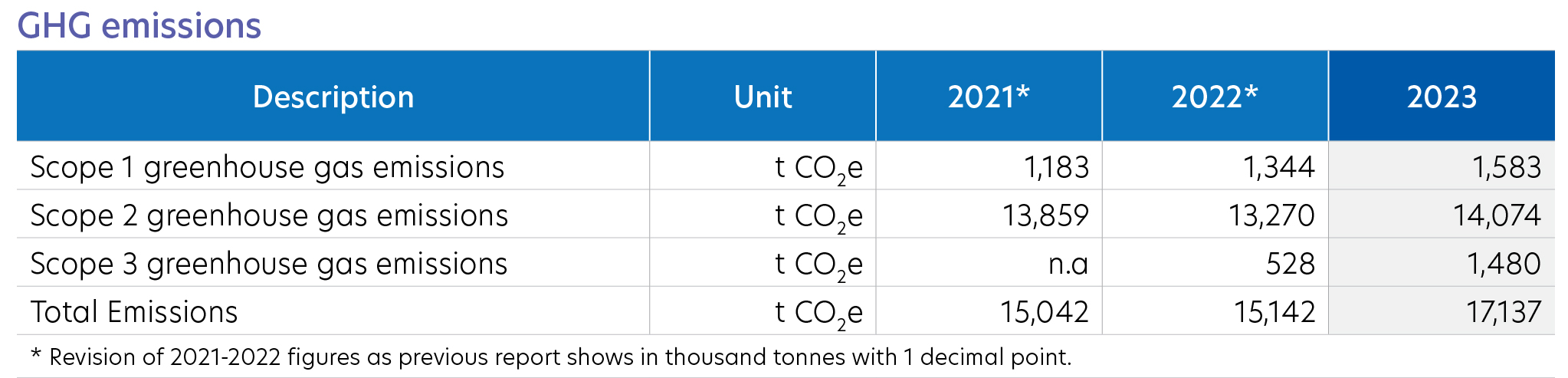
Greenhouse Gas Emissions
Use of Materials

Our Policy and Commitments
Energy and Resources Management
In terms of energy and resources management, we are making an effort to actively adapt to the most recent and effective technology in order to upgrade our current system and reduce our direct environmental impact.

The State Electricity Company (Perusahaan Listrik Negara/PLN), which does not entirely rely on renewable energy, presently provides the grid electricity that accounts for more than 80 per cent of our operational carbon emissions. We are gradually replacing our conventional lighting system for the head office and branches with a more efficient light-emitting diodes (LED) lighting system in an effort to use less power. Additionally, we consistently encourage employee participation in the energy efficiency program through campaigns on energy conservation.

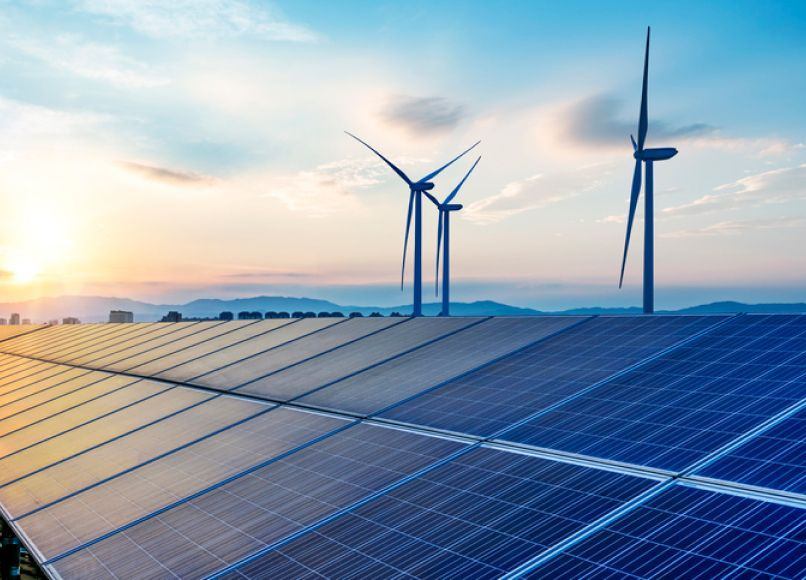
We have increased our efforts to acquire the electricity we use
from renewable sources in order to meet our carbon neutrality goal. Long-term, we want to make a
bigger impact by developing our own sustainable energy sources, like installing solar panels on our
buildings.
In 2022, we purchased and redeemed a total of 17,217 Renewable Energy Certificate (RECs) to address
100 per cent of our electricity usage in all of our buildings (head office and branches). The RECs
we purchased are locally- produced RECs from Geothermal Power Plant, Gunung Salak, Indonesia.


Along with our decarbonization efforts, we also want to reduce
our overall operational carbon emissions, which arise from scopes 1 and 3. This is in addition to
reducing emissions from electricity purchased from the grid (scope 2) mentioned above. We take the
initiative by purchasing carbon credits because we are aware of the challenges to emission
reduction.
We purchased 1,872 carbon credits in 2022 to address our Scope 1 and 3 emissions, which are
generated by fuel for vehicles, diesel generators, refrigerant for air conditioning and emissions
from air travel.
Biodiversity
UOBI understands the importance of environmental ecosystem conservation. Currently, our operating activities and the assets we use, lease or manage by UOBI are not located in or around areas that are protected or have high biodiversity. Therefore, the high biodiversity wilderness areas are not negatively impacted by our activities.
Use of Materials
In an effort to reduce environmental pollution, we no longer issue purchase orders for the procurement of plastic bottled water. Additionally, we have successfully reduced office paper consumption by 45 per cent and toner by 72 per cent in 2023 compared to 2019's condition when we first began implementing conservation policies.
Waste Management
In 2023, a total of 57.85 tons of waste generated from UOB's office operations were recycled.
Review of Policy and Performance Effectiveness
We believe that our internal processes have been effectively implementing our environmental conservation policies. In order to deliver positive impact to the environment, we will continue to deepen our presence to address the environmental risks and effects of our operations in a responsible manner.
In general, we aim to minimise our environmental impact through:
- maintain operational carbon neutrality for our scope 1, scope 2 and scope 3 emissions;
- reduce electricity usage;
- reduce plastic, paper and toner usage; and
- reduce the amount of inorganic waste to landfill.

We use cookies to improve and customise your browsing experience. You are deemed to have consented to our cookies policy if you continue browsing our site.

